13 August 2026
Support that meets you where you are
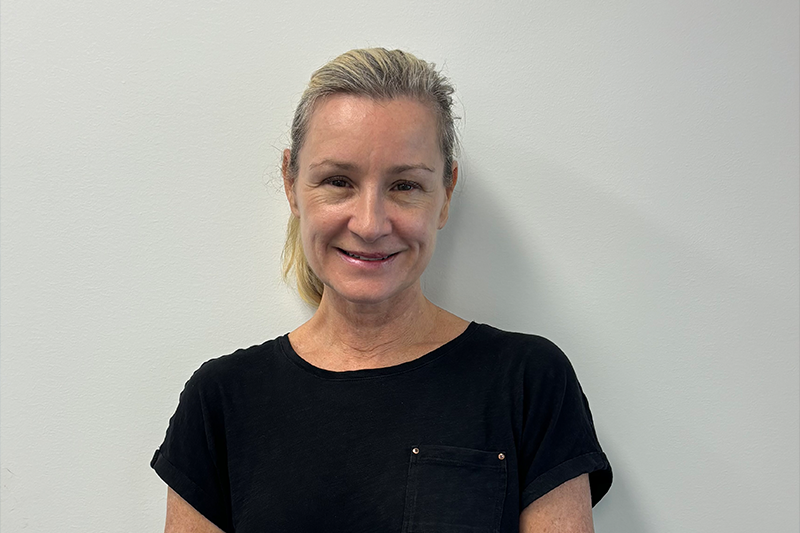
For Clinical Psychologist Sally Rostas, that first impression matters.
"The Centre is a very friendly place," she says. "When a veteran or family member has an appointment, it’s important to us that they feel as comfortable and relaxed as possible."
Watching the conversation change
Sally has spent nearly two decades working with veterans, beginning with her first placement as a psychologist at the Austin Rehabilitation Hospital's Veteran Psychiatry Unit in Melbourne. Since then, she has worked in several mental health services, including the Keith Payne Unit at Greenslopes and the Trauma Recovery Program at Buderim Private Hospital, before joining the VFWC on the Sunshine Coast.
Over time, she has watched the conversation around veteran mental health shift.
“Before, we tended to focus mainly on traumatic experiences during deployment," she explains.
"Whereas now, we focus on that transition into civilian life and recognising moral injury.
“At the VFWC, the team understand the unique challenges that veterans and families can experience, and we’re here to provide support in a safe, non-judgemental space.”
Holistic care all under one roof
A typical week for Sally involves seeing around four or five clients a day, four days a week. While it’s mostly veterans who take a seat in her office, she also works with the partners and children of Defence families.
Those she supports can be experiencing any number of challenges including PTSD and trauma; grief; depression and anxiety; emotional regulation; relationship difficulties; transition adjustment or addiction.
For those who are meeting Sally for the first time, they will go through a relaxed, semi-structured intake process, which helps her understand their needs and challenges to develop a plan. Ongoing clients work through therapeutic goals using an approach that draws on a range of different therapies including Cognitive Behavioural Therapy (CBT), Schema Therapy and Eye Movement Desensitisation and Reprocessing (EMDR) – the last of which she has found particularly effective for trauma.
"EMDR can be less confronting for a veteran, as it doesn't require them to talk so much about what happened," Sally says.
What sets the VFWC model apart, Sally says, is the team around her: a social worker, physiotherapist, wellbeing officers, advocates and the District team all working together to achieve the best outcomes for veterans and their families.
"As a team, we provide a more holistic service that is friendly, trauma-informed and supportive."
Dispelling the myths
With no military bases on the Sunshine Coast, very few of Sally’s clients are currently serving. Most are veterans who deployed to Afghanistan, Iraq or East Timor, even Vietnam, with some navigating the loss of structure and identity that comes after a life of service.
"Feeling lost, let down and without purpose can often show up as anger and trying to maintain control," she says.
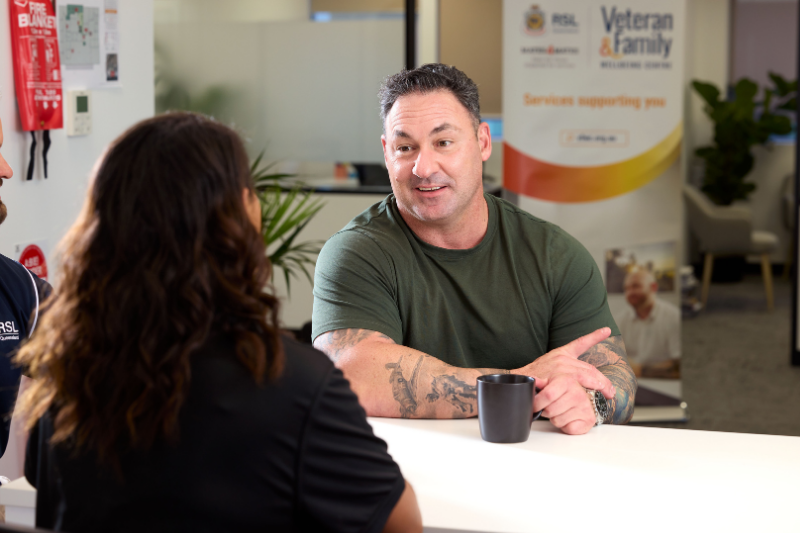
Building trust takes time, particularly with veterans used to "toughing it out." Sally's approach to her appointments is simple: be genuine, listen without judgement, and let people know they can always take a break.
Sally is also careful to dispel some of the myths that keep people away – that therapy means “being grilled with questions” or “endlessly analysing dreams”. The truth is that sessions are a conversation, not an interrogation.
She says it’s not uncommon for veterans to put off seeking support because of those myths – "I wish I hadn't left it so long to visit the Centre," one client has shared with Sally after seeking support after so many years.
Resilience and compassion
After nearly twenty years in the field, Sally is still surprised by people’s resilience and capacity to heal.
"I've heard some very difficult stories, and I'm always astounded by people's ability to experience or witness things most of us could never imagine yet come through the other side with their kindness and compassion intact."
For local veterans and their families who aren’t sure what’s right for them or where to start, Sally says they aren’t alone and it’s common to feel apprehensive.
"Reaching out for help is often the hardest part for people, but once they do, it can be a huge relief knowing they now have that support, even on the tough days."
“The first step is to speak with your GP and get a referral to see a psychologist, then reach out to a Veteran & Family Wellbeing Centre, so we can help support you.”
Accessing the support you need
Veterans and their families can access mental health support from psychologists, counsellors and social workers at RSL Queensland’s Veteran & Family Wellbeing Centres, either in person or via telehealth. Reach out to your local Centre to find out more.